Designing Outdoor Living for Northeast Florida: Heat, Humidity, and Hurricanes
Pool decks, patios, and outdoor kitchens that survive Jacksonville summers and storm season — and feel great to use year-round.

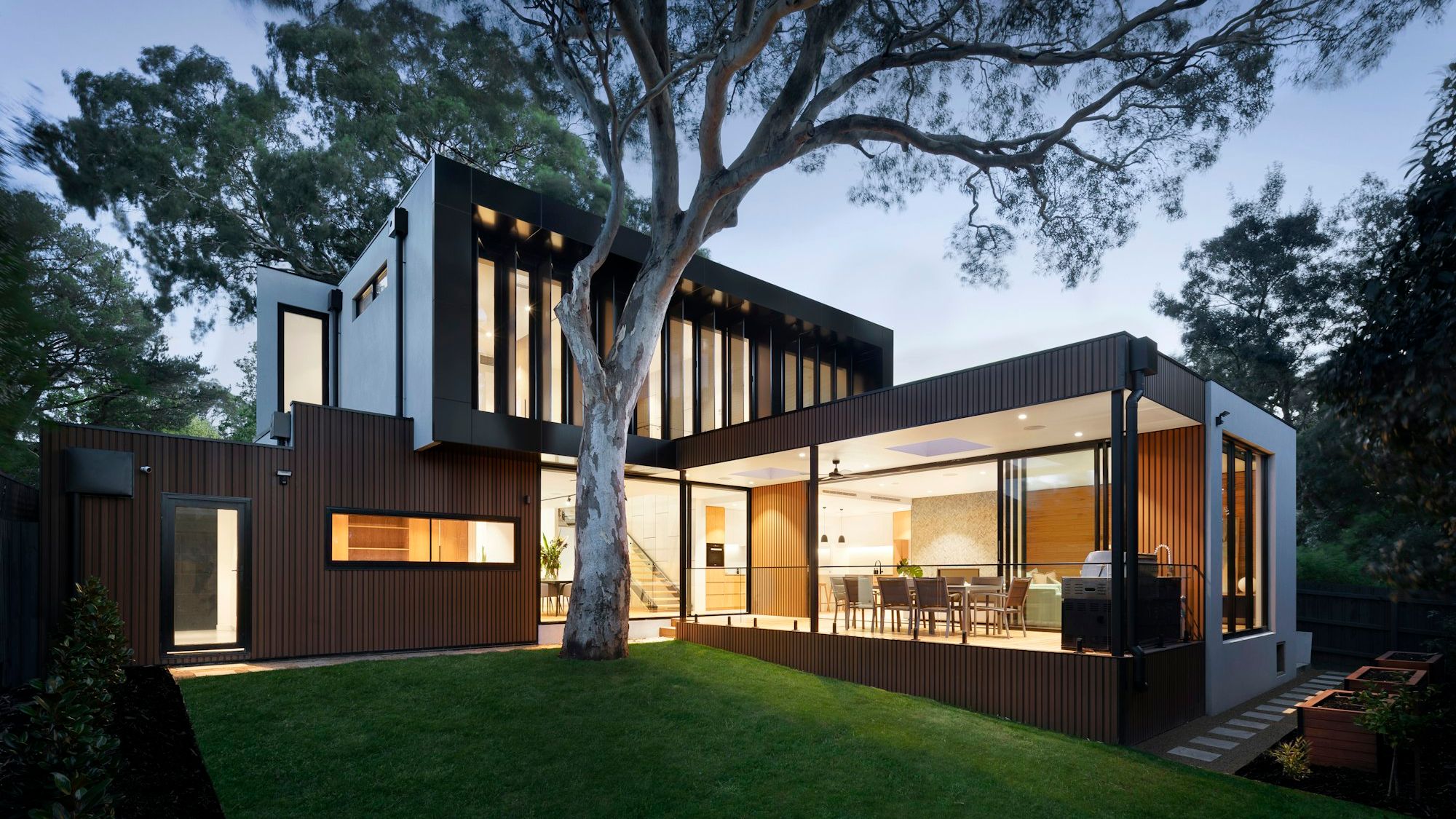
Outdoor living in Northeast Florida is not the same project as outdoor living in Atlanta or Phoenix. We design for nine months of usable weather a year and three months of brutal humidity, storm season, and direct sun that destroys the wrong materials. Here's what we've learned designing patios, pool decks, and outdoor kitchens across Jacksonville, Ponte Vedra, and Amelia Island.
Start with shade
The single most expensive mistake we see on Florida outdoor builds: building a beautiful patio that's unusable from 11 a.m. to 4 p.m. because there's no shade. The fix is rarely a retractable umbrella — it's planning shade into the structure from day one.
- Pergolas with adjustable louvers handle sun angle changes through the year
- Cantilevered roof extensions off the house add the most shade for the least cost
- Mature shade trees (live oak, magnolia) integrated into the layout are free cooling forever
- Sail shades work for budget builds but fade and tear in 3–5 years in this climate
Pick materials that don't punish bare feet
In July, dark concrete around a pool can hit 140°F. Bare feet in seconds. The temperature difference between materials is enormous and worth knowing before you spec a deck:
- Travertine — stays the coolest, 15–25°F below dark concrete in direct sun
- Light-colored porcelain pavers — close to travertine, very durable, easy to clean
- Light concrete pavers — fine on shaded patios, hot on full-sun pool decks
- Dark stamped concrete — looks great in catalogs, miserable in Florida summer
We default to travertine or light porcelain on every pool deck we build coastally. It's a small premium up front and pays back every summer.
Drainage is the difference between a 5-year deck and a 30-year deck
Northeast Florida gets 50+ inches of rain a year, often in 2-inch dumps during summer storms. Outdoor surfaces that don't drain correctly fail in two ways: water pools and stains the surface, or water saturates the base and the surface settles.
Every patio and pool deck we install includes:
- Minimum 2% slope away from the house — non-negotiable
- Linear drains at hardscape-to-grass transitions on flat lots
- Permeable joint sand on patios over yard runoff zones
- French drains tied into a discharge point on properties without natural slope
Outdoor kitchens in salt and humidity
If you're within five miles of the coast — Atlantic Beach, Ponte Vedra, Amelia Island — salt air is going to chew through standard outdoor appliances and cabinets in under a decade. The fix is straightforward but it has to be specified up front.
- Grills and refrigerators in 304 or better 316 stainless — never "stainless-look" or 430-grade
- Cabinets in marine-grade polymer (HDPE) or stainless — not wood, not powder-coated steel
- Counters in dense quartzite or sealed granite — never marble or sealed limestone for cooking surfaces
- Stainless fasteners throughout — galvanized rusts in three years here
Will my outdoor space survive hurricane season?
Properly built patios and pool decks survive Category 1 and Category 2 storms with no significant damage. Damage almost always comes from one of three things: unanchored furniture, loose pergola roofing, and pavers laid without edge restraints.
Pergolas should be bolted to a paver-bound concrete footing, not surface-mounted. Pavers need polymeric joint sand and steel or concrete edge restraints. Outdoor kitchen cabinets should be anchored, not freestanding.
Ten years and 500+ projects across Northeast Florida — we know what works in this climate and what doesn't last past the first storm.
Design for the way you'll actually use it
The most expensive outdoor space is one that doesn't get used. Before we draw anything we ask three questions: How many people gather here on a normal weekend? Are you grilling or cooking full meals outside? Is this a morning coffee space or an evening entertainment space?
Each answer changes the design. Morning-use spaces need east-facing seating and shade by 10 a.m. Evening spaces need lighting plans, sound, and ceiling fans on covered areas. Cooking spaces need landing zones on both sides of the grill and a refrigerator within five steps.
Plan one project, build it right
Outdoor living projects in Jacksonville and Ponte Vedra get built in phases all the time — patio first, kitchen later, pergola later still. That's fine, but the layout and drainage have to be planned for the final scope on day one. We'll walk your yard, design the full vision, and price phases honestly so nothing built today has to be ripped up later.